Artificial lawn Tunbridge Wells is booming in 2026 because homeowners want low maintenance gardens that stay green all year and cope with heavy rain and clay soil. With realistic finishes and long lifespans, it is becoming a practical upgrade rather than a luxury.
If you are considering upgrading your garden, explore the rest of our website at https://www.lookreallawns.co.uk or get in touch for a free quote today.
Introduction
Artificial lawn Tunbridge Wells is growing in popularity because it saves time, reduces mud, and handles Kent’s wet weather better than natural grass. In 2026, more Tunbridge Wells homeowners are choosing artificial lawn Tunbridge Wells as a long term solution for busy lifestyles, waterlogged gardens, and year round kerb appeal.
This guide explains:
Why demand is rising locally
How much it costs in Tunbridge Wells
Whether it is worth it
How it is installed
What trends are shaping 2026
Table of Contents
What is artificial lawn Tunbridge Wells?
Why are homeowners switching in 2026?
How does artificial grass work?
What is the cost of artificial lawn Tunbridge Wells?
Benefits of fake grass Tunbridge Wells
What are the disadvantages?
How long does synthetic lawn Royal Tunbridge Wells last?
How to install artificial grass step by step
Best way to maintain artificial lawn
Real Tunbridge Wells case example
Emerging trends for 2026
FAQs
What is Artificial Lawn Tunbridge Wells?
Artificial lawn Tunbridge Wells is a professionally installed synthetic grass system designed to look and feel like real turf but without the constant upkeep.
It usually includes:
Artificial grass surface
Compacted sub base
Weed membrane
Secure edging
Unlike cheap DIY options, professionally installed systems are built to drain well and last for years.
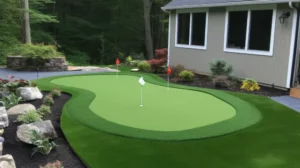
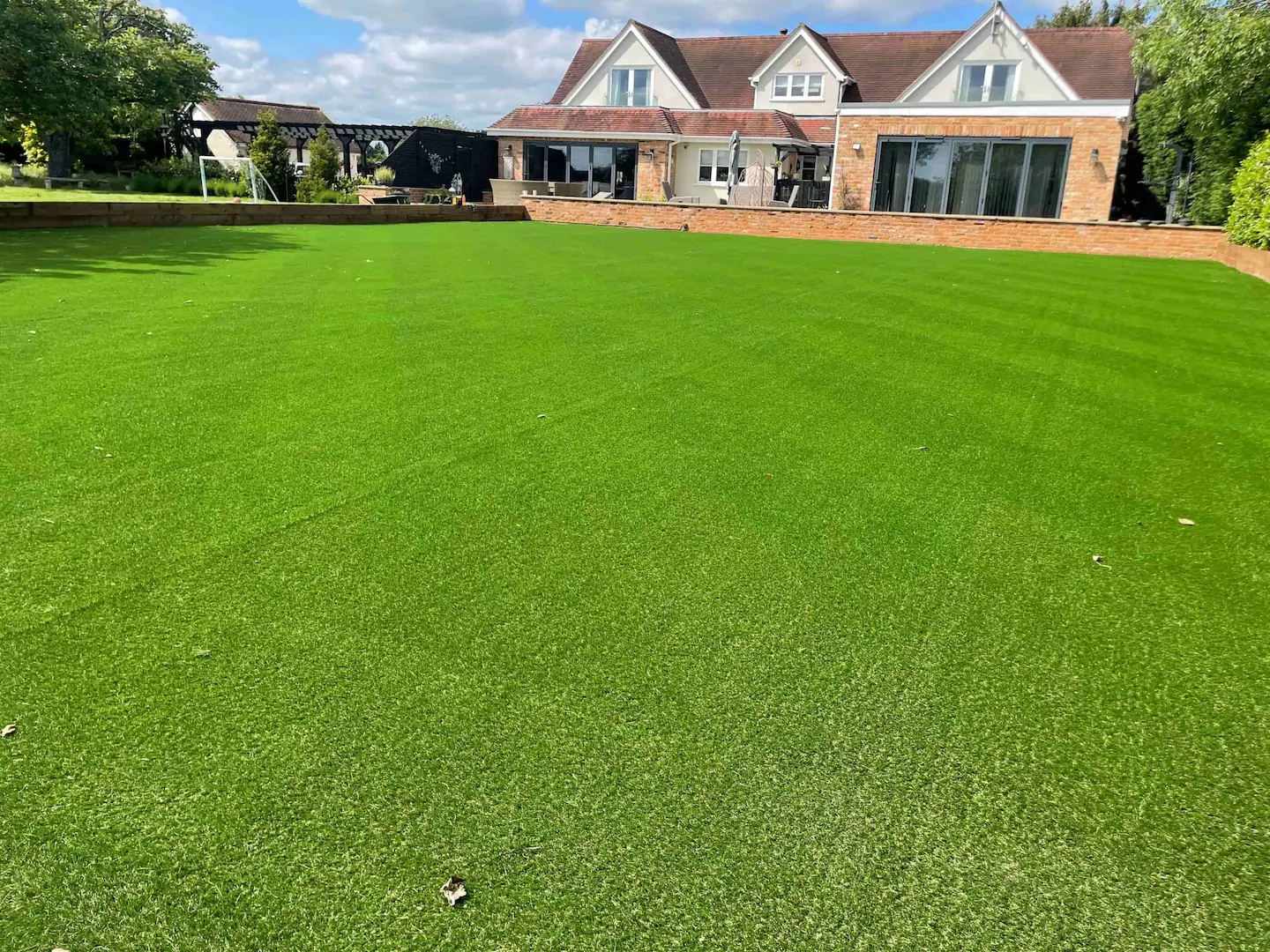
At Look Real Lawns, artificial grass is installed using proper ground preparation. You can see examples in our recent projects gallery here:
https://lookreallawns.co.uk/gallery/
Why Are Tunbridge Wells Homeowners Switching in 2026?
Here is the thing. Gardens have changed.
In 2026, homeowners want:
Less maintenance
More usable outdoor space
Clean gardens for children and pets
Solutions for poor drainage
Tunbridge Wells has areas with heavy clay soil. Clay holds water. When it rains, natural lawns can become muddy and uneven.
According to the Met Office, the South East still experiences significant annual rainfall, even with warmer summers.
https://www.metoffice.gov.uk
That mix of rain and clay causes problems for natural turf.
Artificial lawn avoids:
Patchy grass
Waterlogging
Mud tracked indoors
Moss build up
For commuters and busy families, that is a big win.
How Does Artificial Grass Work?
You might be wondering how fake grass can handle heavy rain.
Quality artificial grass has:
Perforated backing
Free draining sub base
Compacted foundation
When installed correctly, water drains through the surface into the base below.
This is important in Royal Tunbridge Wells where natural drainage can be poor in some areas.
A proper installation normally includes:
Removing existing turf
Excavating to the correct depth
Installing and compacting a sub base
Adding a weed membrane
Laying and securing the synthetic lawn
This structure helps prevent sinking and pooling.
What Is the Cost of Artificial Lawn Tunbridge Wells in 2026?
The cost of artificial lawn Tunbridge Wells depends on:
Size of garden
Access
Ground condition
Waste removal
Product selected
Typical UK installation costs range from £60 to £90 per square metre.
Worked example:
40m² garden in Royal Tunbridge Wells
Ground preparation
Sub base
Waste removal
Professional installation
Estimated range: £2,400 to £3,600
This is a guide. Every garden is different.
If you want a tailored price, visit:
https://lookreallawns.co.uk/services/artificial-lawns/
Benefits of Fake Grass Tunbridge Wells
Here are 10 key benefits homeowners value in 2026:
No mowing
No muddy footprints
Looks green all year
Pet friendly
Child friendly
No fertilisers or chemicals
Less water use
Handles heavy rain
Long lifespan
Boosts kerb appeal
According to the RHS, traditional lawns require regular cutting, feeding and aeration to stay healthy.
https://www.rhs.org.uk
Artificial lawns remove most of that ongoing work.
What Are the Disadvantages?
A balanced guide matters.
Artificial grass can:
Warm up in direct sun
Require upfront investment
Look poor if badly installed
This is why installation quality matters.
Poor preparation leads to:
Uneven surfaces
Poor drainage
Shorter lifespan
That is why working with experienced installers is key.
How Long Does Synthetic Lawn Royal Tunbridge Wells Last?
Most quality artificial lawns last between 10 and 20 years.
Lifespan depends on:
Usage
Installation quality
Maintenance
Signs it may need replacing:
Flattened fibres
Worn high traffic areas
Visible backing
When installed properly and lightly maintained, many gardens remain in excellent condition for over a decade.
How to Install Artificial Grass Step by Step
Here is a simplified breakdown of the process.
Remove existing grass and soil
Excavate to the required depth
Install and compact sub base
Lay weed membrane
Install edging
Lay artificial lawn
Secure and join seams
Brush fibres upright
Professional installation ensures stability and drainage.
You can see finished examples here:
https://lookreallawns.co.uk/gallery/
Best Way to Maintain Artificial Lawn
Maintenance is simple but still important.
Checklist:
Brush fibres occasionally
Remove leaves and debris
Rinse occasionally with water
Clean pet areas when needed
Check edges annually
That is usually it.
Compared to natural turf maintenance, it is minimal.
Real Tunbridge Wells Case Example
A recent local garden had ongoing drainage issues.
Problems included:
Standing water
Patchy grass
Muddy lawn most winters
After installation of artificial lawn:
Garden became usable year round
No more mud indoors
Improved appearance
The homeowner reported less time spent maintaining the garden and more time enjoying it.
Emerging Trends for 2026
Artificial lawn Tunbridge Wells is evolving.
Key 2026 trends include:
Softer, more realistic fibres
Improved drainage backing
Better UV resistance
More natural colour blends
Increased demand in commuter towns
Homeowners are also thinking long term.
They are asking:
Will this save time?
Will this increase appeal when selling?
Will it handle changing weather patterns?
Artificial lawn answers many of those concerns.
Frequently Asked Questions
Is artificial lawn suitable for heavy rain in Tunbridge Wells?
Yes, when installed correctly with a proper sub base, artificial grass drains effectively and prevents surface water pooling.
How much does artificial lawn Tunbridge Wells cost?
Most projects range between £60 and £90 per m² depending on preparation and access.
Does artificial grass increase property value?
It can improve kerb appeal and attract buyers looking for low maintenance gardens.
Is fake grass safe for pets?
Yes. Modern artificial grass is pet friendly and easy to clean.
Does synthetic lawn Royal Tunbridge Wells get hot?
It can warm in strong sun, similar to paving or decking, but it cools quickly with shade or water.
Conclusion
Artificial lawn Tunbridge Wells is growing in 2026 because it solves real problems. It reduces maintenance, handles local soil conditions, and keeps gardens looking good all year.
For many Tunbridge Wells homeowners, it is not just about appearance. It is about convenience and reliability.
If you are considering upgrading your garden:
View recent projects:
https://lookreallawns.co.uk/gallery/
Explore installation services:
https://lookreallawns.co.uk/services/artificial-lawns/
Or contact Look Real Lawns for a personalised quote today.